
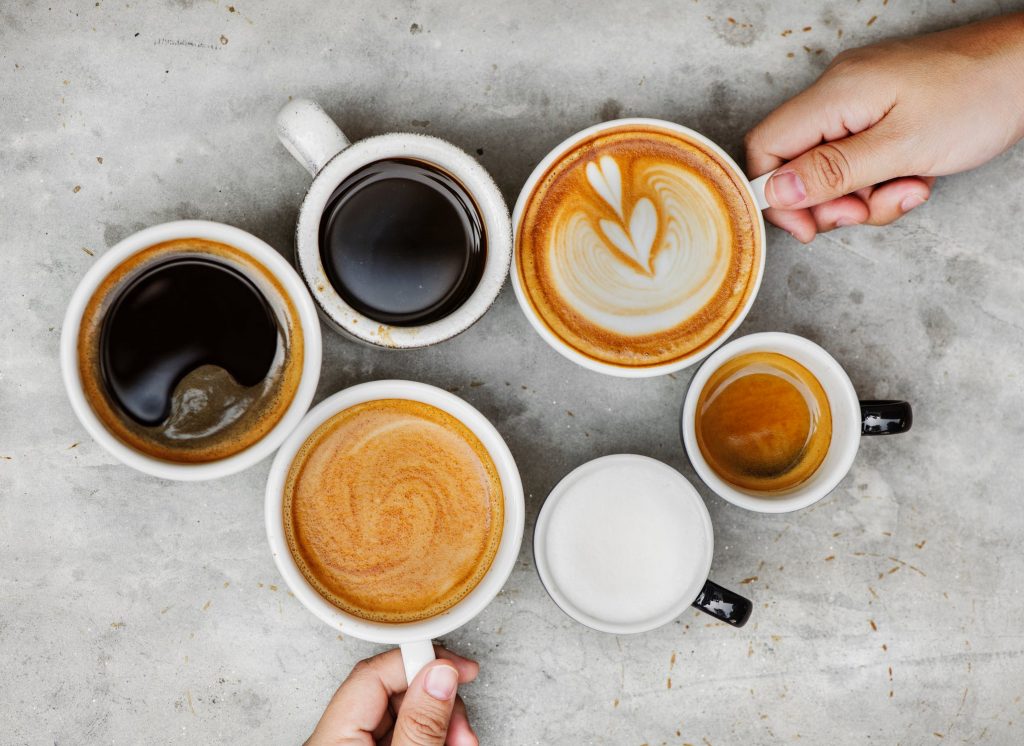
Enjoy a Cup.
In recent years, coffee has become quite the center of attention. According to the United States Department of Agriculture, over 20 billion pounds of coffee were produced last year and even more are forecasted to be produced and consumed this year.1 It is no secret that coffee is the drink shared round the world, but has been presented with mixed reviews as far as health benefits are concerned. Here are possible benefits and detractions for consuming a cup or two of Joe.
The PROS
It can protect your DNA.
In a study by the Journal of Functional Foods, researchers found
that men and women who consumed dark roast, pure Arabica coffee had a protective factor for their DNA.2 They found those who consumed three cups of coffee per day, as instructed for the study, had better preserved DNA and less breakage. This means that drinking coffee may help to keep DNA intact and manage oxidative stress in the body’s cells, all while giving that morning or afternoon pick-me-up.
It can help with brain function.
Moderate to heavy coffee consumption can improve cerebral function and preserve white matter. It also improves circulation in the
brain leading to better cognition.3 These implications mean that as we age, coffee consumption may help preserve the myelin which protects the nerves in the brain. This leads to giving more protection from diseases like Alzheimer’s and dementia.4
It can help bone health.
Bone health and coffee are not usually thought of together in the same sentence, but researchers have found that with moderate consumption of coffee for women who are postmenopausal, there is an inverse relationship to that and osteoporosis.4 The compounds in coffee have been found to have some protective factors for bones, keeping them healthy for longer.
THE CONS
While there are many praises of coffee, there are also some side effects of taking in this caffeinated beverage that must also be considered.
Be careful of the additives.
While studies show many beneficial effects of coffee, the downside is that making coffee into a sugar sweetened beverage does not bode well for health. Commercial coffee joints offer drinks with 17 or more teaspoons5 of sugar and nearly every coffee shop out there has these
tantalizing treats. Sugar is known to have addictive qualities6 and if not monitored, can have a negative effect on health
It can dehydrate you.
Coffee is a diuretic, meaning it changes the way your body holds and processes the water it has. By drinking coffee, the body does not conserve water like it normally does, which can lead to dehydration. It is important to keep hydrated with water as well, if coffee is a go to beverage choice.
It can become addictive.
Coffee contains caffeine and while many use this to stay awake and alert, it is an addictive substance that will also cause withdrawal symptoms if ceased.7 The headaches and sleepiness associated with caffeine withdrawal can be painful and can interfere with day to day life.
You Judge.
While there are pros and cons to drinking coffee, it is important to know that there may not be a right or wrong answer now. Research is always ongoing and it is best to talk to a registered dietitian or doctor before making a decision. If the decision is yes, then watch sugar intake, and enjoy a hot or cold cup of Joe.
References
1.Coffee: World M arkets And T rade. Foreign Agricultural Service/USDA; 2018.
https://downloads.usda.library.cornell.edu/usda-esmis/files/m900nt40f/ 41687n67f/nk322j622/coffee.pdf. Accessed March 12, 2019.
2. Pahlke G, Attakpah E, Aichinger G, et al. Dark coffee consumption protects human blood cells from spontaneous DNA damage. Journal of Functional Foods. 2019;55:285-295. doi:10.1016/j.jff.2019.02.008.
3.Impact of Coffee, Wine, and Chocolate Consumption on Cognitive Outcome and MRI Parameters in Old Age. N utrients. 2018;(10). doi:10.3390/nu10101391.
4.Wu L, Sun D, He Y. Meta-analyses: Coffee intake and the incident risk of cognitive disorders: A dose–response meta-analysis of nine prospective cohort studies. Clinical N utrition. 2017;36:730-736. doi:10.1016/j.clnu.2016.05.015.
5.Coffee Frappuccino® Blended Coffee. Starbucks Coffee Company. https:// http://www.starbucks.com/menu/drinks/frappuccino-blended-beverages/coffee- frappuccino-blended-beverage#size=11002661&milk=67. Accessed March 13, 2019.
6.Falbe J, Thompson HR, Patel A, Madsen KA. Potentially addictive properties of sugar-sweetened beverages among adolescents.Appetite. 2019;133:130-137. doi:10.1016/j.appet.2018.10.032.
7.Sajadi-Ernazarova KR. Caffeine, Withdrawal. National Center for Biotechnology Information. https://www.ncbi.nlm.nih.gov/books/NBK430790/. Published October 27, 2018. Accessed March 13, 2019.
 Evidence Nutrition